
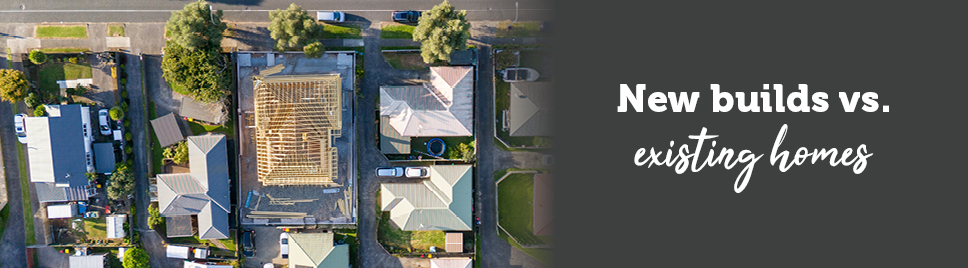
Choosing between a brand-new home and an existing property is one of the biggest early decisions many buyers face. Both options can be a great move, but they often suit different lifestyles, budgets and long-term plans. A new build may offer modern comfort and lower maintenance from day one, while an existing home may provide established character, location advantages and renovation potential.
The right choice isn’t just about the purchase price. It is also about timing, lending, ongoing costs, future maintenance, location, lifestyle and how much uncertainty you are comfortable with. Below are some practical factors to weigh up before deciding which path is right for you.
The case for buying a new build
A new build can be appealing if you want a fresh, low-maintenance start. Everything from the roof and wiring through to appliances, insulation and heating is typically new, which can reduce the likelihood of major repairs in the first few years. Modern homes are also designed to meet current building standards, often with better insulation, double glazing and more efficient heating, helping create a warmer, drier and more comfortable living environment.
Depending on the stage of construction, buyers may also have the opportunity to choose finishes, colours or layout details. For those who prefer a home that feels move-in ready, this can be a major advantage.
Points to consider with a new build
The biggest consideration is often timing. If you are buying off the plans or purchasing a home still under construction, completion dates can shift due to weather, consent processes, supply issues or contractor availability. Buyers should understand the contract carefully, including sunset clauses, deposit requirements, settlement timing, what is included in the purchase price and what may be treated as an upgrade or additional cost.
It is also worth thinking about the wider neighbourhood. Some new-build areas take time to feel established, and landscaping, schools, shops, transport links or community facilities may still be developing. Section sizes can also be smaller than older homes, which may suit some buyers perfectly but feel limiting for others.
The case for buying an existing home
Existing homes often appeal to buyers who value established locations, mature gardens, larger sections or the character that comes with an older property. In many sought-after suburbs, buying an existing home may be the only realistic way to secure a particular school zone, street, outlook or proximity to town centres, beaches, parks or transport routes.
Another advantage is certainty. You can walk through the completed home, see the natural light at different times of day, understand the neighbouring properties and get a stronger feel for the street. Settlement can also be more straightforward than a build timeline, which may suit buyers who need to move by a particular date.
For hands-on buyers, an existing home can also offer room to add value. Cosmetic updates, improved insulation, landscaping or extensions can all help tailor the property over time. This can be attractive if you want to buy in a great location now and gradually improve the home as your budget allows.
Points to consider with an existing home
With an existing home, due diligence becomes especially important. Buyers should consider a builder’s report, LIM, title search and professional advice before committing. Older properties may have deferred maintenance, dated wiring or plumbing, roof or cladding issues, drainage concerns, unconsented work or insulation that does not perform to current expectations.
It is also wise to budget beyond the purchase price. Even a well-presented home can require money for heating, curtains, paint, appliances, garden work or future repairs. If you are purchasing with plans to renovate, check whether the improvements are realistic for the property, the council requirements and your budget.
New build vs. existing home: a quick comparison
Maintenance: A new build is usually lower maintenance in the early years, while an existing home may need repairs or upgrades sooner.
Comfort and efficiency: New builds are generally built to modern standards and may be warmer and more efficient, while existing homes can vary depending on age, insulation and previous upgrades.
Location: New builds are often found in newer subdivisions or growth areas, while existing homes may offer access to established suburbs, central locations or sought-after streets.
Timing: New builds can involve construction timelines or settlement uncertainty, while existing homes are usually easier to view, assess and settle within a known timeframe.
Character: New builds offer modern layouts and finishes, while existing homes may provide charm, mature gardens and unique features.
Future value-add: New builds may need fewer immediate improvements, while existing homes can offer opportunities to renovate or improve over time.
Questions to ask before you decide
- How important is location compared with having a brand-new home?
- Do you need to move by a fixed date, or can you allow for construction timing?
- How much maintenance or renovation work are you comfortable taking on?
- Have you allowed for extra costs such as landscaping, window coverings, heating, inspections, legal advice or future repairs?
- How long do you plan to own the property, and what might future buyers value?
Which option is right for you?
There is no one-size-fits-all answer. A new build may suit buyers who want modern convenience, energy efficiency and lower early maintenance. An existing home may suit buyers who prioritise location, character, land size or the opportunity to add value. The best choice is the one that aligns with your budget, lifestyle, timeframe and long-term plans.
If you are weighing up your options, speak with your local EVES salesperson. They can help you compare what is available in your preferred area, understand current market conditions and identify the questions worth asking before you make your next move.
 My EVES property