
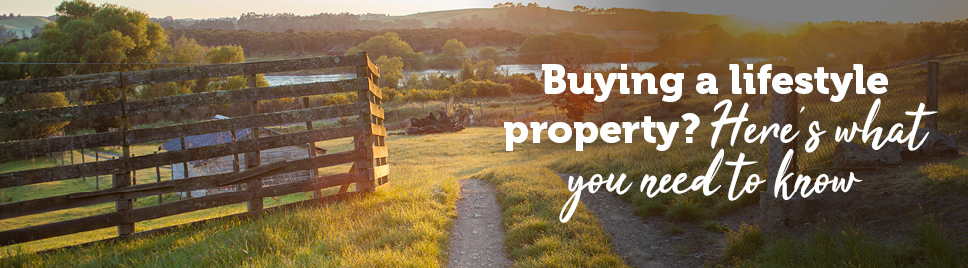
For many New Zealanders, the dream of owning a lifestyle property is about creating more space, privacy and freedom.
Whether it’s room for children to explore, the opportunity to keep animals, grow your own produce, or simply enjoy a quieter pace of life, lifestyle properties continue to appeal to buyers looking beyond traditional suburban living.
But while lifestyle living can be incredibly rewarding, it also comes with different responsibilities and considerations compared to a standard residential property purchase. To help you make an informed decision, we will take you through exactly what lifestyle ownership involves.
Water Supply and Water Tanks
Unlike many urban homes connected to town water supply, lifestyle properties often rely on rainwater collection systems and water tanks.
This means you should understand:
- Tank size and storage capacity
- Water filtration systems
- Pump maintenance
- Water pressure
- How the property performs during dry periods
It’s also worth checking whether there are additional water sources on the property, such as bores or natural springs. While many owners enjoy the independence of self-sufficient water systems, they do require ongoing monitoring and maintenance.
Septic Systems and Wastewater
Many rural and lifestyle properties operate using septic tanks or on-site wastewater systems rather than council sewer connections.
Before purchasing, buyers should consider:
- The age and condition of the septic system
- When it was last serviced
- Whether the system complies with current council requirements
- The size and suitability of the system for the household
Repairs or replacements can be costly, so understanding the condition of the wastewater system during due diligence is important.
Grazing, Land Use and Fencing
One of the biggest attractions of lifestyle properties is the land itself, but additional land also comes with a bit more upkeep. If you’re planning to graze animals or use the land productively, it’s important to think about:
- Fencing quality and maintenance
- Shelter for animals
- Pasture management
- Access to water
- Weed and pest control
Even buyers who don’t intend to farm sometimes underestimate the amount of work involved in maintaining larger sections of land.
The Reality of Maintenance
Lifestyle properties can require more maintenance than a suburban home.
Depending on the property, this may include:
- Mowing large areas
- Maintaining driveways
- Tree and hedge management
- Gutter and drainage upkeep
- General outdoor maintenance
- Equipment and machinery costs
While many buyers are drawn to the beauty and space of rural living, it’s important to realistically assess the time, physical work and ongoing costs involved.
Commute and Location Considerations
Lifestyle living often means trading convenience for space and privacy. Before purchasing, buyers should consider:
- Daily commute times
- School transport options
- Internet connectivity
- Access to supermarkets and services
- Emergency services and healthcare proximity
A property may feel perfect during a weekend viewing, but practical day-to-day logistics can have an impact on long-term lifestyle satisfaction.
Insurance Considerations
Insurance for lifestyle properties can also be more complex depending on:
- Property location
- Land size
- Additional structures
- Water supply
- Fire risk
- Flooding or natural hazards
Some buyers may also require additional cover for:
- Sheds and outbuildings
- Farm equipment
- Livestock
- Public liability
Obtaining insurance quotes during the due diligence stage can help avoid surprises later in the purchasing process.
Zoning and Future Use
Understanding zoning rules and land use regulations is another important step when purchasing a lifestyle property.
Zoning can affect:
- Future subdivision potential
- Building permissions
- Business use
- Additional dwellings
- Land development options
Buyers should also check whether there are any covenants, easements or environmental restrictions affecting the property. Reviewing council information early can help ensure the property aligns with your long-term plans.
Speak to one of EVES’ local lifestyle specialists
Lifestyle properties offer a unique opportunity to enjoy more space, privacy and connection to the outdoors, something many buyers are increasingly prioritising throughout regional New Zealand.
But lifestyle ownership also comes with additional responsibilities that buyers should fully understand before making the move.
If you’re considering making the move to a lifestyle property, reach out to your local EVES salesperson to discuss what to look for and how to find the right property for your lifestyle goals.
 My EVES property